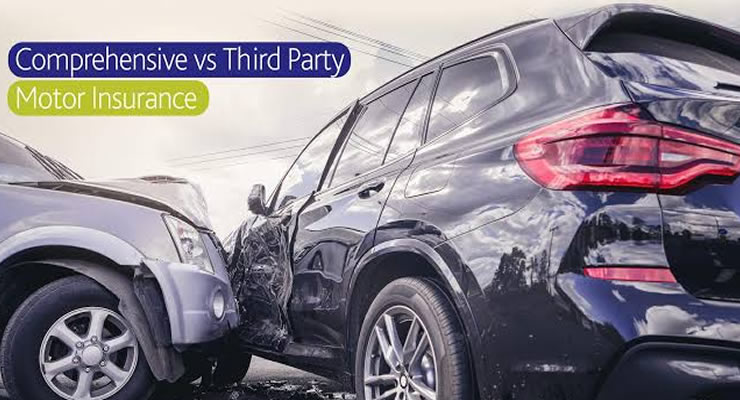
Motor Insurance Policies
Motor and home insurance policies protect your vehicle, property, and personal liability against
unexpected losses, with third-party motor insurance being legally mandatory in Nigeria.
- Third-Party Only: This is the legal minimum requirement in Nigeria. It covers your legal
liability
for death, bodily injury, or property damage caused to others by your vehicle.
- Third-Party Fire and Theft: Adds coverage for your own vehicle if it is stolen or damaged by
fire or lightning, alongside basic third-party liability.
- Comprehensive: Provides the widest protection. It covers damage to your own car from
accidents, fire, theft, and vandalism, plus third-party liabilities and optional add-ons like flood or
riot damage.
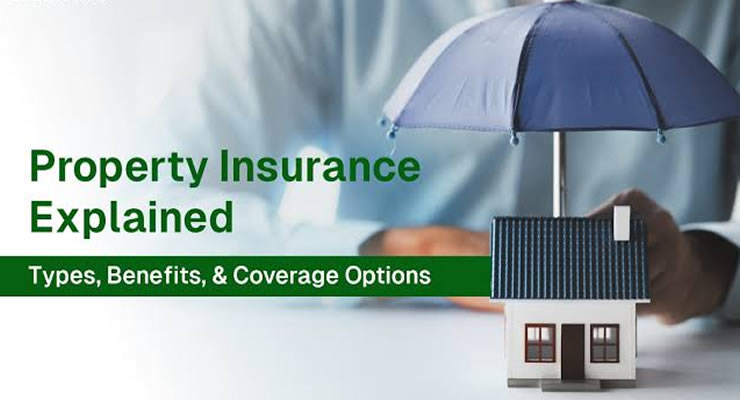
Property insurance
is a broad term for policies that provide financial reimbursement or liability protection to property
owners or renters in the event of damage, theft, or third-party injuries on the premises. In Nigeria,
property insurance covers a range of risks, from personal residential protection to specialized
commercial assets. Notably, under the Nigerian Insurance Act 2003, certain forms like occupiers'
liability insurance are mandatory for public and multi-occupancy buildings.
What Property Insurance Typically Covers
- Physical Structure (Building Insurance): Pays to repair or rebuild the physical walls, roof,
and structural elements of a building damaged by covered perils like fire, lightning, storms,
explosions, or floods.
- Household Contents & Personal Belongings: Covers movable items inside the property—such as
furniture, electronics, and appliances—against burglary, theft, or localized damage.
- Legal Liability Protection: Provides legal and financial safety if a guest or third party is
injured on your property (e.g., a slip-and-fall accident) and decides to sue.
Commercial insurance
protects companies from money losses due to unexpected events like lawsuits, accidents, or fires, as
explained by the. Unlike personal policies, it is built specifically to keep a business running through
tough times.
Common Types of Coverage
- General Liability: Pays for legal fees if a customer is hurt or their property is damaged on
your
site.
- Commercial Property: Covers physical assets like your building, tools, and stock against
fire,
storms, or theft.
- Workers' Compensation: Covers medical bills and lost wages if an employee gets hurt doing
their job.
- Business Interruption: Replaces lost profits and helps pay bills if an emergency forces you
to shut
down temporarily.
- Professional Liability: Protects service providers if a client claims a mistake or bad advice
caused
them a loss.
A policy document
is a formal written blueprint that defines an organization's rules, core principles, and expected
behaviors to ensure consistent operations and risk control.
Key Parts of a Policy Document
A standard organizational policy document includes the following core sections:
- Header and Metadata: Title, document owner, version number, effective date, and review date.
- Purpose: A short statement explaining why the rule exists and what risk it addresses.
- Scope: Who and what the company or organization rules apply to (such as staff, vendors, or
specific locations).
- Definitions: Clear meanings for any terms that might cause confusion.
- Policy Statement: The main rules written using direct terms like "must" or "must not".
- Roles and Responsibilities: Who is accountable for enforcing and following the rules.
- Compliance and Consequences: What happens if someone breaks the rule.
Insurance and Financial Claims
You can get immediate help with your insurance claim by contacting us, we are dedicated 24/7 to assist
you with all claims contact us now via email, phone or customer service support team
- Evidence: Gather photos, receipts, police reports, or medical bills.
- Details: Write down the
exact date, time, and description of the incident.
- Submission: Upload your files through an our portal
or email them directly to our support team.